
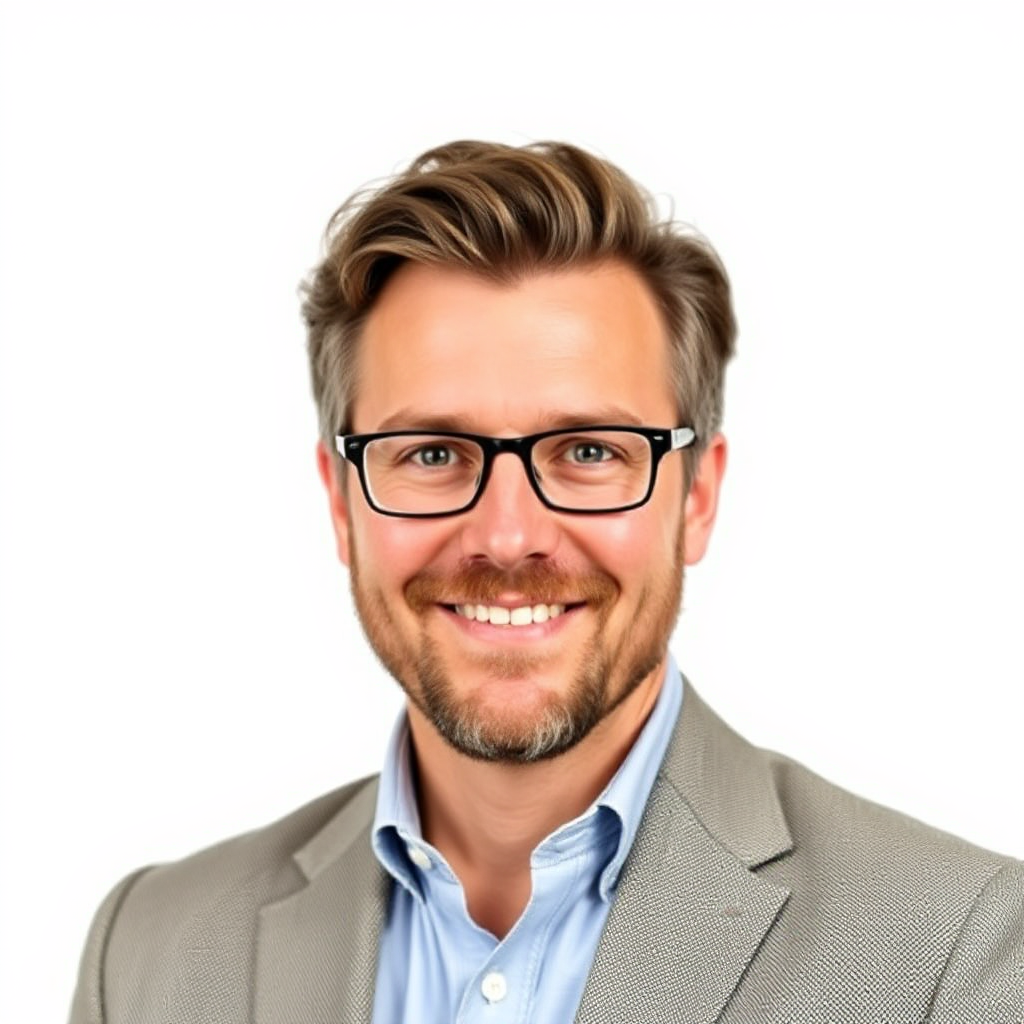
The deceased US VP Dick Cheney, who has died at the age of 84, was seen as one of the most powerful occupants of that office in US history. Although numerous second-in-commands were limited to marginal or symbolic roles, Cheney wielded huge power during the presidency of George W Bush, so much so that he was commonly referred to as the "real president".
Bush resented that description and claimed the dynamic was more nuanced. He pointed out that Cheney was courteous, consistently addressing him in public settings as President, while he called him as Dick. Bush questioned even descriptions of their relationship as a partnership because it implied that they were on equal footing. Despite these denials, Cheney considered the relaxed president pliable on a broad range of policy decisions.
A Aftermath of 9/11
In charge of a contingent of neo-conservatives that encompassed military head Donald Rumsfeld and deputy defence secretary Paul Wolfowitz, he pushed hard for the military intervention of Iraq in 2003 in answer to the September 11th attacks on New York and Washington. When of the 9/11 strike, Bush had been participating in a session at a educational institution in Florida. Whereas Bush headed for a secret bunker in Nebraska, Cheney assumed control, ordering the shooting down of any unresponsive airplanes heading toward the US Capitol.
Cheney said the assaults transformed him, leading him to become intent on revenge. In conjunction with other neo-conservatives, like Rumsfeld and Wolfowitz, he campaigned for a takeover of Afghanistan in an endeavor to capture Osama bin Laden. Cheney then vigorously pushed for the invasion of Iraq, even though there was no evidence of Saddam Hussein having involvement.
Debated Decisions
He showed no remorse about the invasion, in which an estimated 100,000 Iraqis lost their lives, and not about the waterboarding of individuals captured after 9/11. He stated to CNN in 2015 that the Iraq military action, which was predicated on inaccurate information circulated by Cheney, was the proper course of action. "It was the proper decision to do back then. I had faith back then and I believe it now."
Yet even at the time, there were contrary opinions at a senior level about the botched execution of Iraq. One of the administration's own delegates to the Middle East, General Anthony Zinni (2001-03), was not retained from the post. "I saw, at a minimum," he later wrote "obvious failure, negligence, and recklessness: potentially, lying, ineptitude, and corruption."
Additional Factors
Cheney was not entirely to blame for the Iraq military action. Prior to 9/11, Wolfowitz had advocated for similar measures. He had drafted a memo setting out scenarios in which US concerns might be endangered (featuring "access to essential resources, primarily Persian Gulf oil"). Wolfowitz had argued that "the United States should be postured to take unilateral action when joint efforts cannot be arranged," particularly referencing defense operations against Iraq.
Bush also had entered the White House generally inclined on carrying out what his parent had specifically avoided to do in 1991; topple Saddam. Following he had been fired by the president, the finance chief Paul O'Neill disclosed how, at the opening session of the National Security Council in January 2001, Bush had stated his objective of reducing America's participation in the Middle East dispute and suggested armed intervention against Iraq.
Bush bore a private grievance against Saddam, believing he had been responsible for a plot to murder his parent, President George HW Bush, on a trip to Kuwait in 1993. He also objected to that one of the largest accommodations in Baghdad had a surface artwork with a image of his predecessor's countenance that each person had to step on.
Investigation Approaches
Yet it was Cheney who was part of the most vehement advocating invading Iraq, frequently referencing intelligence reports that were both weak or entirely inaccurate. He backed what the Bush White House politely called as "intensive questioning", the application of interrogation method and physical pressure.
Responding to a Senate analysis in 2014 that found that no actionable intelligence had resulted from the interrogation methods, Cheney dismissed the findings as "loaded with crap". He informed Fox News: "We asked [the CIA] to implement measures and create programmes to catch the individuals who murdered 3,000 of us on 9/11 and make sure it was not repeated. That was specifically what they did and they earn a lot of credit."
External Perception
Cheney took pleasure in nicknames assigned to him by detractors such as Darth Vader and the sinister presence, and by the idea that he was a shadow power controlling Bush. In Peter Baker's 2013 book about the pair, Days of Fire: Bush and Cheney in the White House, Cheney is reported as stating: "Is it me who is the evil genius in the background that remains unseen come out of his hole? This represents a advantageous way to work, in fact."
Commercial Ties
Controversy over his business interests accompanied him throughout his time as second-in-command. While he had little experience in commerce but established relationships in security, particularly in Saudi Arabia, he was offered a position at Halliburton, one of the world's most substantial oil and gas conglomerates, in 1995 as chairman and CEO.
In 2000 he was selected as Bush's election partner for the White House. Contentiously, during the Iraq war, Halliburton was given US agreements valued at multiple billions.
It significantly boosted his finances. His yearly earnings during his time at the corporation increased from his quarter-million dollars while defence secretary to over four million. When he resigned in 2000 he had a package valued at over $20m|twenty
